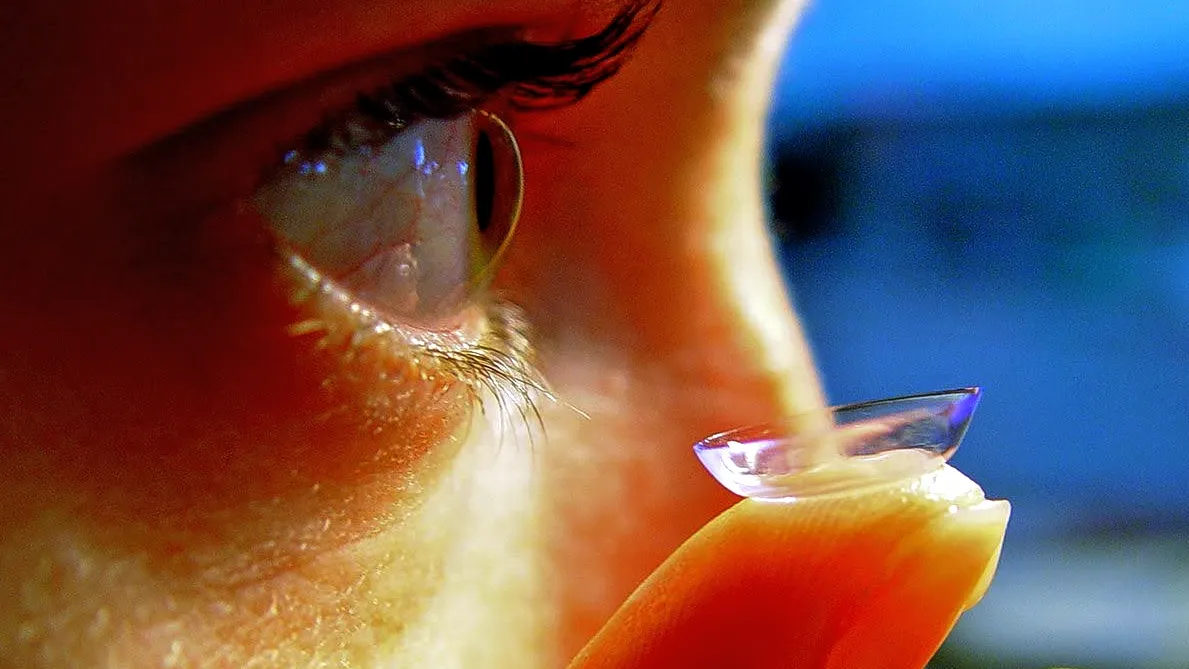
If you have been diagnosed with keratoconus, finding crisp, comfortable vision can feel like a challenge. Keratoconus causes the cornea, the clear front surface of your eye, to thin and bulge outward into an irregular cone-like shape. This structural change creates distorted vision and irregular astigmatism that traditional eyeglasses often cannot correct.
Specialty contact lenses are the primary non-surgical solution for managing keratoconus. By creating a smooth, uniform optical surface over the irregular cornea, these custom lenses allow light to focus properly onto the retina. However, because every keratoconus case is unique, finding the right lens type depends on your corneal curvature, disease progression, and eye comfort.
Here is a detailed guide to the primary types of contact lenses for keratoconus, top brands, piggyback systems, and fitting options.
1. Rigid Gas Permeable (RGP) Lenses
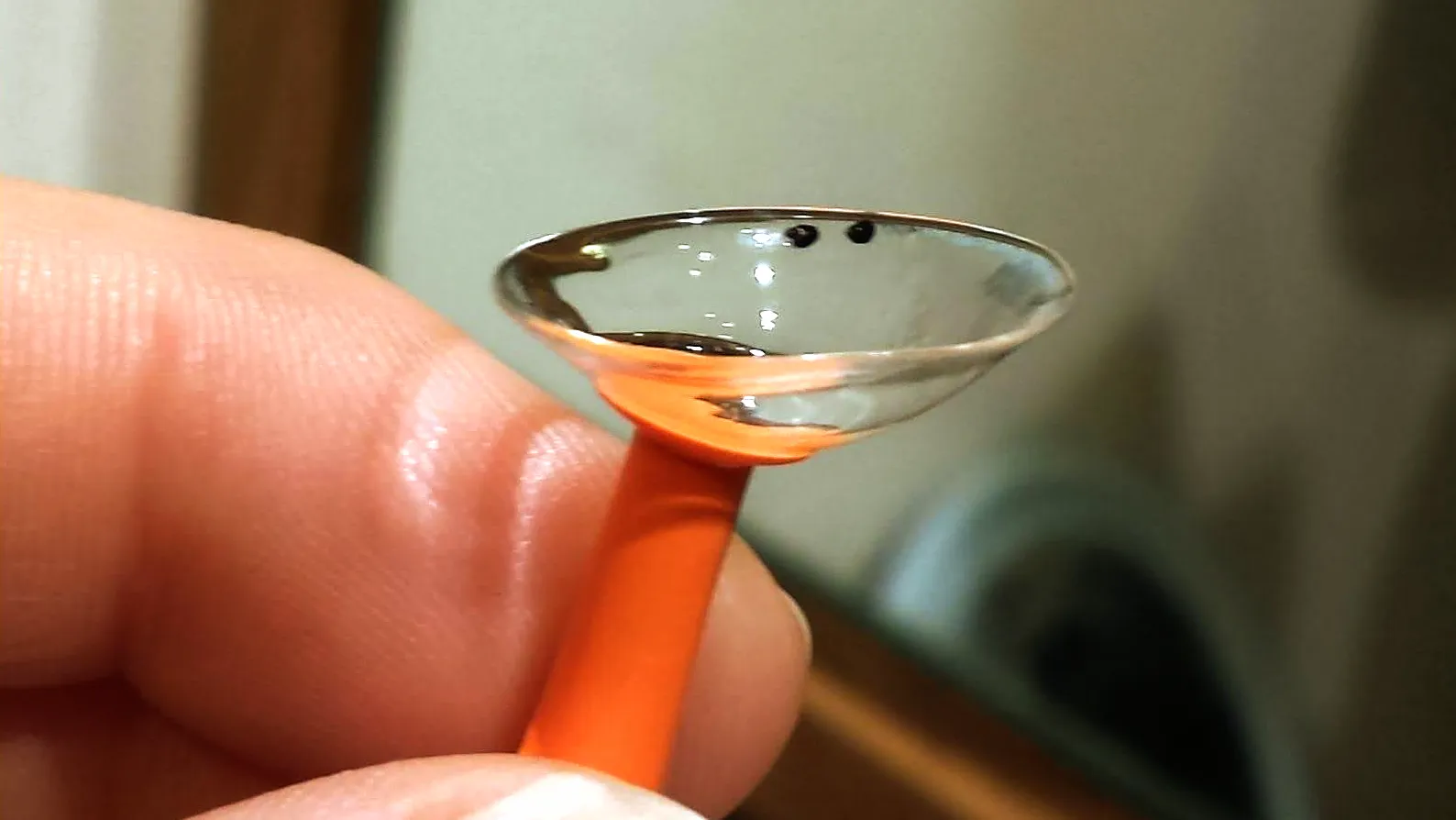
Rigid Gas Permeable (RGP) lenses are hard contact lenses designed to maintain their shape over the eye. By trapping a fluid layer between the lens and the irregular cornea, RGPs neutralize corneal distortion and deliver sharp visual acuity. They are frequently the first line of treatment for mild-to-moderate keratoconus cases.
Pros:
- Crisp Optical Clarity: Provides superior visual acuity compared to soft lenses.
- Durability: Made from long-lasting, deposit-resistant materials.
- Ease of Care: Simple to clean, insert, and remove.
Cons:
- Adaptation Period: Requires a wear-in adjustment period for physical comfort.
- Stability Issues: Can dislodge during high-impact movement or sports.
- Debris Intrusion: Dust or grit can easily get trapped underneath the lens edge.
Leading RGP Brands for Keratoconus: Rose K2 (Menicon), Boston XO / XO2 (Bausch + Lomb), and Soper (Lens Dynamics).
2. Piggyback Contact Lens Systems
For patients who need the crisp optics of an RGP lens but suffer from eye irritation or corneal sensitivity, eye care professionals frequently utilize a piggyback contact lens system. In this setup, a comfortable soft contact lens (often a daily disposable silicone hydrogel lens) is placed on the eye first, and a hard RGP lens is worn directly on top of it.
Pros:
- Enhanced Comfort: The underlying soft lens acts as a protective cushion over the sensitive corneal apex.
- Corneal Protection: Reduces the risk of central corneal abrasions or scarring caused by lens friction.
- Improved Centration: Helps stabilize the rigid lens over steep cones.
Cons:
- Increased Care: Requires handling, cleaning, and replacing two distinct sets of lenses daily.
- Higher Ongoing Cost: Purchasing both soft cushion lenses and hard lenses increases overall care expenses.
3. Hybrid Contact Lenses
Hybrid lenses offer a single-lens solution designed to blend the sharp vision of an RGP lens with the comfort of a soft lens. They feature a rigid gas permeable central zone surrounded by a soft outer skirt made of silicone hydrogel.
Pros:
- Best of Both Worlds: Combines clear RGP optical correction with soft lens edge comfort.
- Lens Stability: The soft skirt keeps the lens centered and prevents dust from getting underneath.
Cons:
- Steeper Learning Curve: Insertion and removal require specific handling techniques.
- Cost & Care: Higher cost than standard RGPs and requires specialty care solutions.
Leading Hybrid Brands for Keratoconus: UltraHealth, SynergEyes KC, and ClearKone (SynergEyes).
4. Custom Soft Contact Lenses for Keratoconus
Standard off-the-shelf soft toric lenses (such as Acuvue Oasys for Astigmatism or Biofinity Toric XR) only work in very mild, early-stage keratoconus because standard soft materials drape over and mirror the irregular shape of the cornea. Specialized custom soft lenses for keratoconus, however, are manufactured with increased central thickness to mask mild corneal irregularities without collapsing into the cone shape.
Pros:
- Immediate Comfort: Offers the familiar initial feeling of a soft contact lens.
- Easy Adaptation: Minimal wear-in time required compared to rigid designs.
Cons:
- Visual Limitations: Cannot mask severe corneal steepening or high levels of irregular astigmatism.
- Thickness Sensing: Some patients feel the increased central lens thickness initially.
Leading Custom Soft Brands for Keratoconus: KeraSoft IC (Bausch + Lomb) and NovoKone (Alden Optical).
5. Scleral Lenses
Scleral lenses are large-diameter gas permeable lenses that vault completely over the sensitive cornea and rest gently on the white part of the eye (the sclera). The fluid-filled reservoir beneath the lens continually bathes the cornea in preservative-free saline, masking steep irregularities while providing constant hydration. Scleral lenses are widely regarded as the gold standard for moderate-to-severe keratoconus.
Pros:
- Exceptional Comfort: Because the lens does not touch the cornea, it is typically as comfortable as a soft lens.
- Maximum Visual Correction: Smooths out severe corneal distortion and high astigmatism.
- Dry Eye Relief: Constantly hydrates the ocular surface throughout the day.
Cons:
- Application Routine: Must be filled with saline before application using specialized plunger tools.
- Higher Initial Cost: Higher cost for detailed mapping, custom fitting, and lens manufacturing.
Leading Scleral Lens Brands: Zenlens (Bausch + Lomb), Onefit MED+ (Blanchard), BostonSight PROSE, and Jupiter Scleral (Essilor).
Quick Comparison of Keratoconus Contact Lenses
| Lens Type | Ideal Severity Stage | Key Advantages | Main Considerations |
|---|---|---|---|
| Rigid Gas Permeable (RGP) | Mild to Moderate | Sharp vision, durable, cost-effective | Requires adaptation time; can dislodge easily |
| Piggyback System | Mild to Moderate with Sensitivity | Protects corneal apex, boosts RGP comfort | Managing two sets of lenses daily |
| Hybrid Lenses | Mild to Moderate | RGP visual clarity with soft skirt edge comfort | Higher replacement costs; specialized removal technique |
| Custom Soft Lenses | Early to Mild Stage | High immediate comfort, easy adaptation | Cannot correct severe corneal irregularity |
| Scleral Lenses | Moderate to Severe | Vaults over cornea; ultimate comfort and visual stability | Requires saline fill and plunger application |
Finding the Right Fit for Your Eyes
Navigating vision correction with keratoconus requires a tailored clinical approach. The right contact lens choice depends on your corneal curvature, stage of progression, budget, and comfort preferences. Schedule a comprehensive consultation with an optometrist or ophthalmologist specializing in specialty lens fittings to map your corneal topography and determine your ideal option.
Frequently Asked Questions
Can you wear regular soft contact lenses if you have keratoconus?
Standard off-the-shelf soft contact lenses generally do not work for keratoconus because they drape directly over the cornea, mirroring its irregular shape and leaving vision blurry. While regular soft lenses may help in the very early stages, most patients require custom soft, RGP, hybrid, or scleral lenses to correct irregular astigmatism.
Are scleral lenses better than RGP lenses for keratoconus?
Scleral lenses are generally preferred over RGP lenses for overall comfort because they vault entirely over the sensitive cornea and rest on the less sensitive sclera. Sclerals are also far less likely to dislodge or trap foreign dust. However, RGP lenses are smaller, easier to pop in and out, and generally lower in cost. Your practitioner will help determine which option aligns best with your corneal shape and lifestyle.
Does vision or health insurance cover contact lenses for keratoconus?
Because contact lenses are considered medically necessary to restore functional vision for keratoconus patients (when eyeglasses cannot achieve adequate clarity), many vision and health insurance plans cover them under "Medically Necessary Contact Lenses" benefits. Always verify coverage details with your eye clinic beforehand.
How long do specialty contact lenses for keratoconus last?
With proper daily cleaning and maintenance, rigid gas permeable (RGP) and scleral lenses typically last 1 to 2 years before needing replacement. Hybrid lenses usually require replacement every 6 to 12 months, while custom soft lenses are replaced on quarterly or annual schedules depending on the specific design.